Tiger nut (chufa)
Cyperus esculentus var. sativus
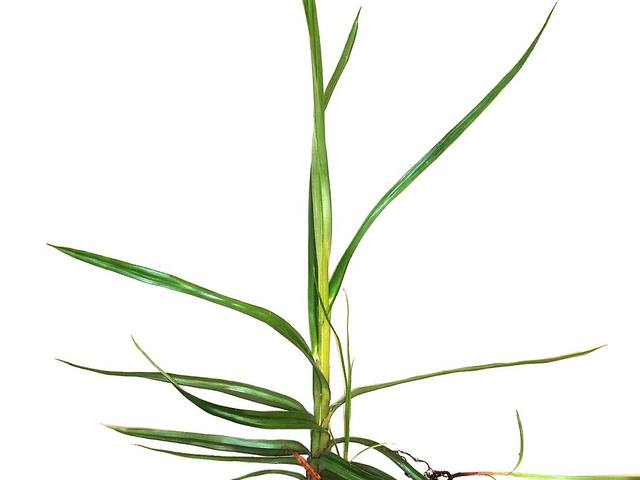
Sweet little tubers found in Egyptian graves 6,000 years old; Valencia makes horchata from them. Can spread like a weed.
Hardiness: zones 5 to 11
Light: full sun
Size: about 2 ft tall, 1 ft wide
Harvest: year-round
From: Nile valley and the Mediterranean
Drought-hardy once established
Here: Hardy in the Lake Erie shore climate (zone 6b to 7a), so it can live outdoors in the ground.
Good for: food.
Native to: Sahara & Arabian deserts, Mediterranean. Hardy in zones 5 to 11.
The story
Tiger nuts are the small sweet tubers of a sedge. They have been found in Egyptian graves 6,000 years old and were eaten as a sweet. Today they are the base of horchata de chufa in Valencia, Spain, and a snack across West Africa.
Planting
Full sun, loose sandy soil. Soak the tubers a day and plant them 2 inches deep after the last frost, in a bed or a large container.
Growing
Keep moist through summer. Grow tiger nuts in a container or a bed you dig out completely, because left-over tubers spread as a weed (yellow nutsedge).
Harvest and use
Dig the tubers in autumn when the leaves yellow; wash and dry them. Eat soaked, roast them, or blend with water and strain into horchata.
What to watch for
Invasive if left in the ground; dig every tuber.
See if Tiger nut (chufa) fits your yard
Free planner: enter your ZIP for frost dates, climate fit and a sowing calendar. No account, no ads, no tracking cookies.
More perennial vegetables, greens and herbs
General guidance, not professional advice. Conditions vary by yard and year; for local specifics ask your county extension office. Never eat a wild plant you cannot identify with certainty. Traditional uses are shared as history, not medical advice. © 2026 Sean Priest · Irie Orchard. Terms & credits · Privacy · Home