Sumpweed (marsh elder)
Iva annua
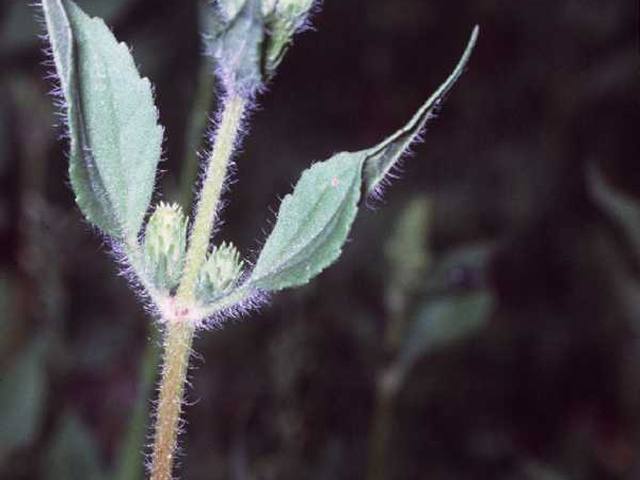
An oily seed farmed by Eastern Woodlands peoples 4,000 years ago, then forgotten; a lost North American crop.
Hardiness: zones 4 to 9
Light: full sun
Size: about 5 ft tall, 2 ft wide
Harvest: September to October
From: E. North America
Drought-hardy once established
Here: Hardy in the Lake Erie shore climate (zone 6b to 7a), so it can live outdoors in the ground.
Good for: food, wildlife.
Native to: Midwest & Great Lakes, Southeast, Great Plains & Texas. Hardy in zones 4 to 9.
The story
Sumpweed, or marsh elder, was farmed by Eastern Woodlands peoples about 4,000 years ago for its oily, protein-rich seed, and farmers bred it to seeds several times larger than wild ones. It was dropped after maize spread, making it one of North America's few lost crops.
Planting
Full sun, moist rich soil, river-bottom ground. Sow in spring on the surface or barely covered; seed needs a cold winter first, so autumn sowing works best.
Growing
Water through dry spells. Grow it as a curiosity or teaching crop; it reaches 5 feet.
Harvest and use
Harvest the seed heads in autumn, dry and thresh. Parch or grind the seed. Mostly grown today to keep the story alive.
What to watch for
Pollen can trigger hay fever like its ragweed relatives.
See if Sumpweed (marsh elder) fits your yard
Free planner: enter your ZIP for frost dates, climate fit and a sowing calendar. No account, no ads, no tracking cookies.
More native and wild plants
- Wild rice (manoomin)
- Maguey (pulque agave)
- American gooseberry
- Black huckleberry
- Mountain huckleberry
- Native honeyberry (mountain fly honeysuckle)
General guidance, not professional advice. Conditions vary by yard and year; for local specifics ask your county extension office. Never eat a wild plant you cannot identify with certainty. Traditional uses are shared as history, not medical advice. © 2026 Sean Priest · Irie Orchard. Terms & credits · Privacy · Home